
A guide to choosing an examination table for your doctor’s office

An examination table is one of the most essential pieces of equipment in any medical practice. In this guide, we explain the key factors to consider since the right choice can improve daily workflows in your clinic.
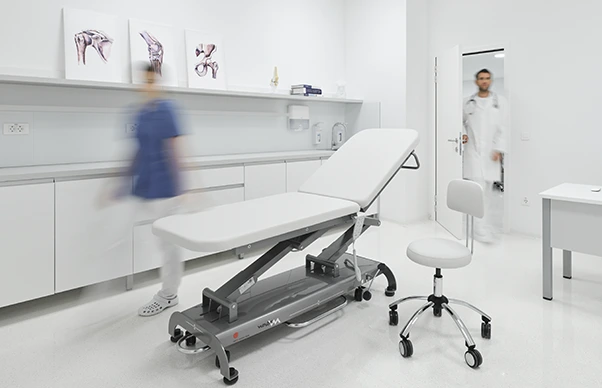
Why choosing the right examination table matters

The examination table is at the center of most medical consultations. It directly influences patient’s experience and how efficiently a healthcare professional can perform examinations. A suitable table simplifies daily routines and supports a calm, professional atmosphere. Investing in a high-quality examination table also reduces maintenance issues and supports hygiene standards.

Types of examination tables for medical practices

Different practices require different solutions. Understanding the main types of examination tables helps narrow down the right choice.

  • Simple examination tables

fixed-height tables suitable only for standard examinations in general practices with limited budget.

  • Adjustable examination tables

electrically or hydraulically operated, improve ergonomics and accessibility. Patients with reduced mobility should not be forgotten.

  • Multi-section examination tables

 offer greater flexibility. They are commonly used in specialist practices where positioning is essential.

Key features to consider when choosing an examination table

1.     Adjustability and ergonomics

Height adjustment is essential since it helps medical staff maintain healthy working postures, particularly during long working hours. Smooth adjustment mechanisms allow quick repositioning.

2.     Patient comfort and accessibility

Modern medical practices must consider patients of all ages and mobility levels. Examination tables with adjustable height and low entry positions help patients, especially the elderly, children and less mobile patients get on and off the table. When patients feel safe and comfortable, examinations are easier and more effective for both sides.

3.     Stability and weight capacity

A sturdy construction ensures patient safety and confidence. The table should remain stable in all positions and feature a reasonable safe working load.

4.     Hygiene and materials

Medical-grade upholstery and surfaces must be easy to clean and resistant to disinfectants. Simple and clean design helps prevent the accumulation of dirt.

5.     Design and clinic aesthetics

The visual appearance of medical equipment contributes to the overall impression of the practice. A well-designed examination room reinforces trust and professionalism.

CONFIGURE

How to choose the right examination table for your specific practice

Every medical practice is different. Look beyond the product itself and make sure you take into account how your entire practice operates. Consider:

  • the type of examinations you perform most often
  • the size and layout of your examination rooms
  • the needs of your patients
  • long-term flexibility and potential upgrades

Common mistakes when buying an examination table

Avoid these common mistakes:

  1. focusing solely on the price instead of long-term functionality and comfort
  2. underestimating the importance of ergonomics and accessibility
  3. limiting the decision to the practice’s current needs without considering future growth

Select a table that supports the current daily workflow in your clinic and continues to meet the needs as the practice evolves.

Investing in the right examination table

An examination table is the key tool that supports daily work, patient comfort, and the professional image of your practice. Let the table present a solution that benefits both your patients and your medical staff for years to come.

A thoughtful choice today leads to better efficiency and a better experience tomorrow.

request a quote
Want to know about new products and technologies?
Subscribe to our newsletter